
About
A club for FSU students who want to build things
Claude Code Society teaches FSU students to build finished, real software with Claude Code, Anthropic's AI coding tool, from a first prompt to a full multi-agent setup. We learn by building, and by the end of a year each member should be able to take an idea to a polished app on their own.
How the club will run
We're a new group applying for registration as a student organization at Florida State University. This is how it works under our constitution.
- When
- Weekly during the fall and spring semesters, while classes are in session. Meeting times are posted once the semester schedule is set.
- Who can join
- Any currently enrolled FSU student, from any major. Faculty and staff can take part in activities, but they don't vote or hold office.
- How you join
- Once registration is approved, through the Society's page on FSU HQ with your name and FSU email. No new member period, no pledge, no initiation.
- Dues
- None. Joining is free.
- Who runs it
- Four founding officers serve until the first election. After that, members elect the board each April, for a term from May 1 to April 30. The four offices.
Who it's for
Any FSU student who wants to make software. Computer science majors are welcome, and so is everyone else.
You don't need to have written code before. Members build with Claude Code: you describe what you want, check what it makes, and keep steering until it works. The first session of the starter track starts at installing it.

What members get
- Hands-on training in Claude Code, from installing it to running a multi-agent setup on your own projects.
- A finished, polished app or product you built yourself, with a live link you can put on a resume.
- Group sessions for Anthropic Academy's free online courses, such as Claude Code in Action. The Academy gives completion certificates.
- The Society's own members' platform, which we plan to build: a place to learn, track your progress and post ideas on an idea board.
- Demos at meetings, with feedback from members who try your app as users, and a place for your work on this site.
- If your app is ready to launch, an introduction to other student organizations that can help you launch and grow it.
- Judged project competitions and hackathons, with prizes when funding and FSU rules allow.
- Talks from guest speakers and joint events with other FSU student organizations.
- Leadership experience as an officer or event lead.
This year's goals
The boxes stay empty until a goal is met.
- Meet every week through the fall and spring semesters while classes are in session.
- Run the eight-session starter track each semester.
- Have members ship a finished project of their own by the spring Demo Day: live, built by the member, with a short project page.
- Hold one judged project competition each semester, with the rules, deadline and judging date announced before it opens.
- Hold one hackathon in the spring semester.
- Host at least two guest speakers, at least one co-hosted with another registered student organization.
- Co-host at least one event each semester with another registered student organization.
- Introduce at least one member's app to a student organization that can help launch it, by the end of the spring semester.
- Elect the next board in April and leave a written handover before the last day of classes.
- A Society officer applies to lead a Claude Builder Club in Anthropic's campus program when applications reopen.
Our logo
It's a terminal prompt and a gold cursor inside a ring.
On the seal, our name runs across the top, and "at Florida State University" runs along the bottom in smaller letters. The logo goes to FSU for review as part of registration.

Independent, on both sides
An independent student organization. Not affiliated with, sponsored or endorsed by Anthropic.
We name Claude and Claude Code only to say what members use. We don't use Anthropic's logos or brand assets.
Although this organization has members who are Florida State University students and may have University employees associated or engaged in its activities and affairs, the organization is not a part of or an agency of the University. It is a separate and independent organization which is responsible for and manages its own activities and affairs. The University does not direct, supervise, or control the organization and is not responsible for the organization's contracts, acts, or omissions.
Photo credits
All photos are from Pexels and free to use. None of them shows a club member.
- Students in a library from above, by Jaykumar Bherwani
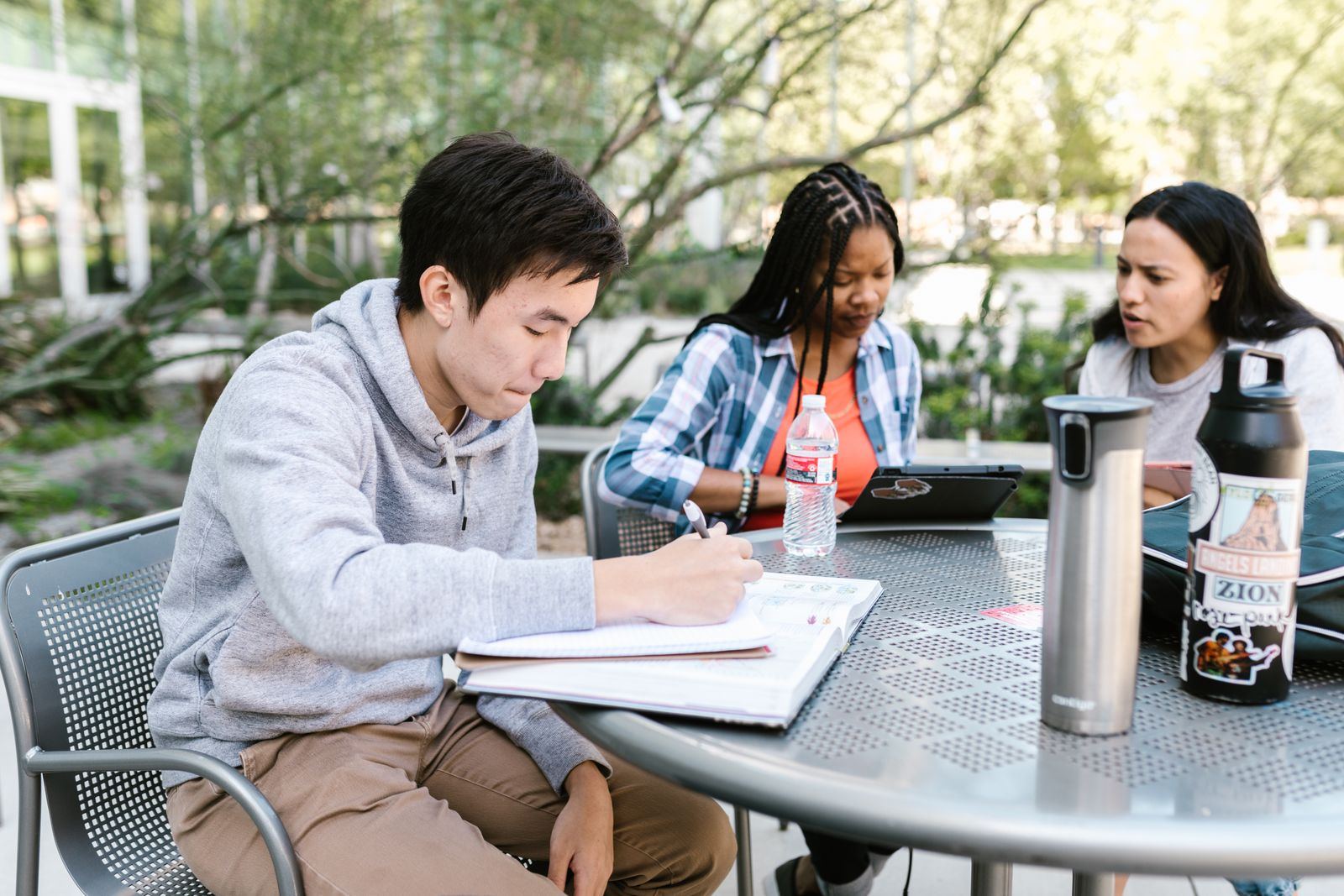
- Students working outdoors on campus, by RDNE Stock project
- Two students with laptops outdoors on campus, by George Pak
- Hands on a laptop, by Eren Li
- A how-to note on a whiteboard, by Walls.io
- Study group in a library, by Yan Krukau
- Three people on laptops, by Christina Morillo
- Speaker and audience, by Israel Torres
- Presenting to a small group, by Mikael Blomkvist
- At the chalkboard, by Tima Miroshnichenko
- Oak with Spanish moss, by Gerald Hilton